Path to Finding a Life Partner
January 11, 2026
Love Is Complex and Sometimes Mystifying
Have you ever run into a false start or a dead end on your relationship journey? I certainly have! Some people seem to know instinctively which relationships are right for them, but I’m not one of those. It took me years to understand myself and learn to navigate my intimate relationships. Along the way, I made many mistakes and learned painful lessons. Through experience, I discovered the important yet invisible patterns and dynamics that underlie the search for a long- term relationship. But what are these patterns? That’s what I plan to share with you.
This series of 16 posts explains everything I’ve learned about romantic relationships and illuminates fundamental couple dynamics, patterns, and skills to empower your love choices and fulfillment. I needed a class on how to create a successful relationship but never found one. Here I share some enduring truths and patterns in love relationships I wish I’d known about as an early adult. You’ll find this information useful if you’re learning what type of relationship is right for you, dating as you recover from family trauma or addiction, or searching for a new relationship after healing from a broken or lost love. You may also find this helpful if you’re already with a partner and are determining together whether it can be long-term.
My name is Lane Lasater, a retired clinical psychologist. In gratitude for the life I have been given, I am sharing everything I learned during my career and personal life here on my website http://www.LaneLasater.com and on my YouTube Channel Life Roadmaps from a Retired Psychologist https://www.youtube.com/@lane205 Each post contains my written material, an AI generated graphic, a 15-17 minute audio summary, and a 5-7 minute video summarizing the material. You can download a fillable and printable PDF workbook that contains all the exercises that I developed to accompany the material here: Finding a Life Partner Fillable Workbook
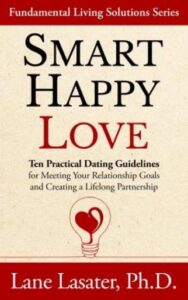
All this information comes directly from my book Smart Happy Love https://www.amazon.com/Smart-Happy-Love-Relationship-Partnership/dp/1737527529/ providing a roadmap to finding and creating a healthy life partnership.
As you go through the information you’ll complete 25 relationship exercises and quizzes. Each exercise asks you to reflect on your relationship needs, analyze past and current relationships, or complete short questionnaires about life tasks. I suggest recording your work for each exercise in a notebook or notes app, which I’ll refer to as your relationship journal. The exercises guide you in determining where you and potential partners are in your life process, understanding what went right or wrong in the loves you’ve had, and identifying your deepest needs. This self-reflection lets you turn this information into empowering self-understanding and wisdom. When you’re clear about your relationship vision and goals, you’re then fully prepared to choose a life partner who can help you fulfill those.

“To love is nothing. To be loved is something. But to love and be loved, that’s everything.”
Themis Tolis
Invisible but Powerful Relationship Dynamics
Sometimes important dynamics underlying love relationships are hard to detect—unless you know what to look for. In this book, I’ll show you how to identify the elements of the life foundation you and your partner need for a lasting relationship, explain how to navigate the levels of sexual relationships, identify what couple combination works best for you, decide when to end a relationship, and much more. I developed these essential relationship concepts through my lengthy search for a partner. Then, I refined them throughout my career helping young people, adults, and couples find lasting love while I worked in community health centers, corrections, schools, and in private practice as a clinical psychologist.
Is there just one person in the world for you to be happy with? I don’t think so, but the better you understand yourself, the more carefully you can choose a person to be your soulmate. You’ve undoubtedly experienced both the joy and pain of love. Most relationships offer both! You can’t skip some setbacks as you search for love, but you don’t have to sign up for extra challenges either. When you do your relationship homework, it enables you to make relationship choices with courage and clarity.
Common Relationship Dilemmas We Face
- “How can I find a partner when I’m still figuring myself out?”
- “I have to get my career going before I can make a commitment.”
- “I’m not sure what kind of person is right for me.”
- “I’m not happy in my relationship.”
- “I’m ready to date after a breakup, but I don’t want to get hurt again.”
- “Do I have an intimacy disorder?”
- “I’m looking for someone who’ll be a good parent to my child.”
- “Should I just call it quits and move on?”
If any of these sound familiar, keep the faith! Finding a life partner takes time, effort, contemplation, and soul searching—but you can do it! When you understand the natural patterns and processes of intimate relationships, you’ll know exactly where you are and how to move forward. I used every concept and skill presented in this book as I searched for and found my life partner, Nancy Larson, and we’ve been happily married for over 42 years. I’ve taught this information to hundreds of individuals and couples. I believe it can help you find the relationship you long for and deserve.
When you’re able to find a life partner, they can support and encourage you to accomplish your goals and reach outside of your comfort zone. Many people create fulfilling lives without finding a partner, but it’s a wonderful blessing when you’re fortunate enough to find a loyal friend and love to share your life journey.
Ten Guidelines for Your Relationship Search
I’ve organized this series of posts around the 10 guidelines below to help you stay on track during your partner quest and avoid making choices that don’t advance your goal.
- Complete each stage in your life partner search.
- Get your life together (mostly).
- Identify your deepest needs and values.
- Navigate the love landscape.
- Explore couple combinations and dynamics.
- Analyze your relationship field research.
- Know when to say goodbye.
- Identify your non-negotiable partner requirements.
- Complete a partnership trial run.
- Develop a “partnership agreement.”
Each guideline clarifies an important dimension of your relationship journey. My most difficult relationship experiences happened when I either hadn’t yet identified these guidelines or unwittingly ignored them. Then I was just refusing to accept relationship reality and setting myself up for disappointment. I don’t recommend it. In relationships, as with credit cards, it’s pay now or pay later with 25% interest. Consider each guideline carefully so you can bypass potentially costly and painful relationship mistakes.
To Move Forward, We Must First Look Back
Our intimate relationship strategies, expectations, needs, and blind spots derive directly from our family experiences growing up. When you venture into emotional and sexual relationships, you naturally rely on the intimate example your parents (or the people who raised you) demonstrated, even if you try to do the exact opposite of what you observed. Many of us discover that the relationship habits we learned at home either don’t work or were incomplete. Then, we must unlearn old behaviors and develop new ones, which is difficult. In addition, love and sex involve such powerful emotions that our fantasies can impede reality, distorting our perceptions.
It helps to know what other people go through, so throughout the book, I share experiences from my life partner search and examples from my clients’ relationship exercises. Where you are in the process of finding a life partner is unique, so you may have already accomplished some or many of the relationship tasks I suggest—if so, that’s great.
These posts offer practical relationship theory to clarify the important elements for relationship decisions as you move forward. Consider each element to more fully understand your strengths and needs and those of your partner—and how things often go wrong.
How to Use This Information
Always respect your personal learning style and instincts, but here are my suggestions for how to get the most out of this book.
Get the big picture. Review the entire book so you understand the essential elements of Smart Happy Love. Knowing the lay of the land, like a roadmap, helps when you get into unfamiliar territory.
Discuss your discoveries about yourself with someone you trust. If they’re open to it, ask them to complete some exercises themselves for comparison and discussion. Also, consider finding a therapist or coach to get the benefit of more support and dialogue.
Keep at it. A one- or two-step approach won’t work. There’s no quick and easy path to finding your life partner. But if you put in the effort, every step counts. Work day-by-day to move forward steadily on your path to life partnership.
Good luck on your journey!
Disclaimer
This website is designed to give you information to help you be successful in your life decisions and relationships. The information and suggestions provided are for the reader’s education and consideration only. Providing information and practical tools to you about personal and relationship challenges and solutions does not constitute the practice of psychotherapy or medicine. Lane Lasater, Ph.D. has taken care to alert you to serious warning signs and encourage you to seek licensed professional help when indicated. The information provided here is not a substitute for assessment, diagnosis and treatment of any mental disorder and cannot substitute for the services of a mental health care professional or physician. It is intended for instructional purposes only. The use of this information is solely at your own risk.
Trigger and Content Warning: Please be aware that the website includes descriptions of trauma, PTSD, child abuse, alcoholism, family violence, drug addiction, sexual addiction, compulsive behavior patterns including overeating, bulimia, sexual abuse, depression, disability, divorce, anger, sex, and terminal illness which could disturb or trigger upsetting memories for certain readers.
Lane Lasater, Ph.D. shall have no liability for claims by, or damages of any kind to, a user of this information. Such damages include, without limitation, damages for personal injuries, emotional distress, and other non-monetary loss, as well as direct or indirect damages. I have made all reasonable efforts to include accurate information to you but make no warranties or representations as to its accuracy, completeness, or timeliness. Lane Lasater, Ph.D. assumes no liability or responsibility for any errors or omissions in the content of this written and electronic work. To the full extent permitted by law, we disclaim all warranties, express or implied. By using the information on this website, you are agreeing to the provisions of this disclaimer, and you waive all claims that may arise in connection with your use of this information and understand that you use this information at your own risk.